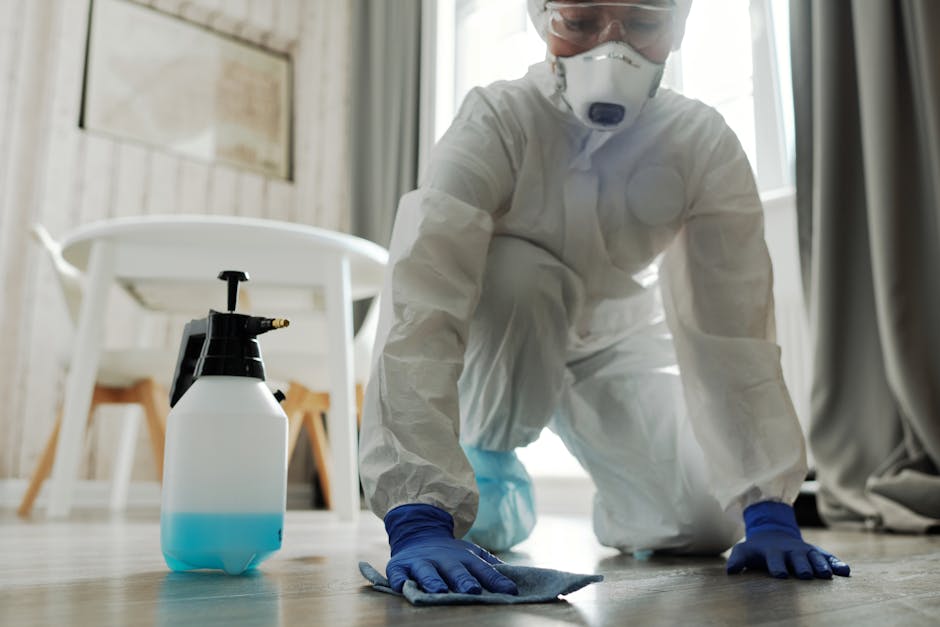
Emergency stain cleaning options for Upton Park homes
Spill something on the sofa five minutes before guests arrive? Knock red sauce onto a light carpet in the middle of dinner? It happens. And in a busy Upton Park home, those moments feel bigger than they are because stains spread fast, nerves kick in, and suddenly everyone is hovering around the patch with a cloth. The good news is that emergency stain cleaning options for Upton Park homes are usually simpler than they first look, as long as you act quickly and avoid the classic panic moves.
In this guide, you'll get a practical, no-nonsense look at what to do first, which cleaning methods suit common stains, when a DIY fix makes sense, and when it's smarter to bring in proper stain removal support. You'll also find a checklist, a comparison table, and a few local considerations that matter in real homes around Upton Park, especially in flats, family homes, and rental properties where time is never on your side.
Truth be told, most stain damage comes from delay, not the stain itself. So let's deal with the first 10 minutes properly.
Table of Contents
- Why emergency stain cleaning matters
- How emergency stain cleaning works
- Key benefits and practical advantages
- Who this is for and when it makes sense
- Step-by-step guidance
- Expert tips for better results
- Common mistakes to avoid
- Tools, resources and recommendations
- Law, compliance, standards, or best practice
- Options, methods, or comparison table
- Case study or real-world example
- Practical checklist
- Conclusion
- Frequently asked questions
Why emergency stain cleaning options for Upton Park homes Matters
Stains are one of those domestic problems that can look harmless for the first 30 seconds and then become a small headache with expensive consequences. A splash on a carpet pile, a drip on a cream sofa arm, or a mark on a curtain hem can soak in quickly. Once that happens, the stain may bind to the fibres, spread under the surface, or leave a smell behind even after the visible mark is gone.
For Upton Park homes, the urgency can be even more noticeable because of how people live. Shared spaces, family traffic, compact flats, pets, takeaway nights, school mornings, and busy commutes all add up. There's less time to stand around testing ideas. You need a sensible first response, not guesswork.
That matters for more than appearance. Fast stain cleaning can help preserve carpets, rugs, upholstery, mattresses, and curtains before the damage becomes permanent. It can also reduce the risk of lingering odours, mould growth in damp fibres, and the all-too-familiar "we should have dealt with it earlier" regret. Let's face it, nobody enjoys seeing a fresh stain slowly become part of the decor.
In rental homes, prompt cleaning can also help protect deposits and keep a property looking cared for. In owner-occupied homes, it keeps furnishings in better shape for longer. Simple, really. But only if you know what you're doing.
How emergency stain cleaning options for Upton Park homes Works
Emergency stain cleaning is really a sequence of decisions, not just a cleaning action. First you identify the stain. Then you decide how much liquid to remove, what cleaning approach is safe for the material, and whether the mark needs a professional treatment rather than another household product poured on top.
The basic logic is the same across most surfaces:
- remove excess spill without spreading it
- absorb, don't scrub
- use the mildest safe cleaning method first
- test in an inconspicuous area if there's any doubt
- dry the area properly so moisture does not sit in the fibres
That last point gets missed all the time. A stain is one problem; a damp patch is another. If you over-wet a carpet or sofa, you can push the staining deeper or create a slow-drying area that holds onto smells. Nobody wants that slightly musty, "what happened here?" scent lingering by the radiator.
Different materials respond differently. A synthetic carpet may tolerate a little more moisture than delicate wool. A colourfast fabric can handle a mild detergent solution, while a silk, velvet, or mixed-fibre upholstery item may need a much gentler approach. That's why stain treatment is part technique and part judgement.
Many people also underestimate the importance of stain type. Protein stains, tannin stains, oil-based marks, ink, mud, pet accidents, and food dyes all behave differently. A one-size-fits-all cleaner sounds convenient, but honestly, it can make things worse in a flash.
Key Benefits and Practical Advantages
Using the right emergency stain cleaning approach gives you more than a better-looking room. It buys time, limits damage, and keeps the rest of the cleaning job manageable.
- Less permanent damage: the sooner a stain is treated, the less likely it is to bond tightly to fibres.
- Lower cost pressure: a small quick fix can sometimes prevent full replacement or deep restoration.
- Better hygiene: this matters with food spills, pet accidents, and anything organic.
- Reduced odour: fast treatment helps prevent lingering smells from settling in.
- More confidence: once you know the right steps, you stop panicking and start solving the problem.
There's a practical bonus too: a household that keeps a simple response kit ready tends to recover from accidents faster. Not glamorous, I know. But useful.
For busy Upton Park households, that can mean getting a room back into use the same day rather than living with a taped-off patch and the quiet irritation of seeing it every time you pass by.
Expert summary: the best emergency stain cleaning is usually fast, gentle, and targeted. The biggest mistake is trying too hard, too soon, with the wrong product.
Who This Is For and When It Makes Sense
This guide is useful for anyone who wants to respond properly to a stain without making it worse. That includes homeowners, tenants, landlords, family households, pet owners, and anyone looking after furnished rooms, carpets, rugs, or fabric seating.
It makes sense when the stain is fresh, the material is known, and the spill is reasonably contained. For example:
- a tea spill on a dining chair
- a sauce splash on a carpet edge
- a muddy footprint on a hallway rug
- a pet accident on upholstery
- a drink spill on a mattress protector or bed base fabric
It also makes sense when you want to decide whether to handle the stain yourself or call for help. Some stains are straightforward. Others are sneaky. Coffee, wine, ink, bleach marks, grease, and old pet stains can all behave differently, and sometimes the safest answer is to stop before you make the patch larger.
If you are dealing with delicate fabrics, valuable rugs, or repeated staining in the same spot, a more careful approach is worth it. In those situations, a specialist service such as stain removal may be the wiser route than a brave-but-chaotic DIY attempt.
Step-by-Step Guidance
Here is a sensible, real-world sequence for emergency stain cleaning at home. Keep it calm. Keep it simple.
1. Blot immediately
Use a clean white cloth or paper towel and blot from the outside of the stain toward the centre. That helps keep the mark from spreading. Do not rub. Rubbing is how a small spill becomes a stubborn blotch. It's one of those habits that feels productive but really isn't.
2. Remove solids first
If the spill includes food, mud, wax, or another solid material, lift it gently with a blunt edge such as a spoon. Avoid pressing it deeper into the pile or fabric weave.
3. Identify the material
Ask yourself what you're cleaning. Carpet, upholstery, curtain fabric, mattress ticking, or rug fibres each need slightly different handling. If you are unsure, treat the material as delicate until proven otherwise.
4. Check the stain type
Work out whether it is water-based, oily, coloured, or organic. Tea and coffee need a different approach from grease or ink. Pet accidents are their own category because smell matters as much as visible staining.
5. Test your cleaner
Before using any solution, test it in a hidden area. Wait a few minutes. Look for colour transfer, texture changes, or browning. Small test, big difference.
6. Apply a mild cleaning solution
Use a lightly damp cloth with a suitable cleaner rather than soaking the area. For many fresh stains, a gentle detergent solution is enough. For greasy marks, a targeted cleaner may work better. Add slowly. No heroic pouring required.
7. Blot again and repeat carefully
Lift the stain in small passes. Change cloths as they get dirty. If you keep using the same cloth, you are just moving the stain around.
8. Rinse lightly if needed
Some cleaning products leave residue that can attract dirt later. A light rinse with clean water, followed by more blotting, can help. But don't flood the area.
9. Dry properly
Use ventilation, open a window if practical, and encourage airflow. A fan can help. On a damp London afternoon, drying is sometimes the real challenge, not the stain itself.
10. Review after drying
Some marks fade as the surface dries. Others reappear at the edges, which usually means the stain has wicked back from beneath the surface. If that happens, stop and reassess before escalating.
If the stain is large, old, oily, odorous, or on a delicate item, it may be time to compare DIY with a more thorough service such as upholstery cleaning, carpet cleaning, or mattress cleaning depending on the surface involved.
Expert Tips for Better Results
People often ask what makes one stain clean-up succeed while another leaves a shadow behind. Usually it's not magic. It's the small details.
- Work quickly, but not frantically: a calm first response is better than five rushed products in a row.
- Use white cloths: coloured towels can transfer dye and confuse the result.
- Keep moisture under control: too much liquid can push the stain deeper.
- Lift, don't grind: pressure should be gentle and targeted.
- Know when to stop: if the stain starts spreading, pause and reassess.
- Match the method to the fibre: wool, cotton, synthetics, and blends all behave a bit differently.
One useful rule of thumb: if a treatment makes the patch smell stronger, feel stickier, or look larger after drying, something is off. That is often a sign the product was too harsh or the area was over-wet.
A small aside from practical experience: people often reach for vinegar, baking soda, and whatever else is sitting under the sink. Sometimes that works fine. Sometimes it just creates a new texture problem and a mild domestic chemistry lesson. Not ideal.
For fabric furnishings, understanding the material matters. If you have velvets, woven blends, or more sensitive upholstery, it can help to review care information before treating the stain. A useful place to start is how upholstery fabrics respond to cleaning.
Common Mistakes to Avoid
Most stain clean-up failures happen because someone tries to speed up the process in the wrong direction. Familiar story, unfortunately.
- Scrubbing hard: this pushes staining deeper and roughs up the fibre.
- Using hot water too soon: heat can set some stains, especially protein-based or coloured spills.
- Mixing products: never combine cleaners unless the instructions specifically allow it.
- Over-wetting carpets or upholstery: that can cause rings, backing damage, or smell issues.
- Ignoring the material: what works on a synthetic rug may not suit wool or velvet.
- Waiting too long: dried stains are harder to shift and sometimes need specialist treatment.
- Forgetting odour: especially with pet accidents, the stain may look gone but still need proper deodorising.
A lot of people also make the mistake of assuming the first visible improvement means the job is finished. Not always. Some stains ghost back after drying. That annoying little comeback is common with drinks, food dyes, and spills that have soaked below the surface.
Tools, Resources and Recommendations
You do not need a giant kit to handle an emergency stain, but having a few sensible items close by makes life easier. Think of it as practical home readiness rather than over-prepping.
| Tool or item | What it helps with | Why it matters |
|---|---|---|
| White microfibre cloths | Blotting spills | They absorb well and do not transfer dye |
| Paper towels | First response on fresh liquid spills | Useful for quick absorption before deeper cleaning |
| Soft brush | Loose dirt or dried residue | Helps lift material without scrubbing harshly |
| Gentle detergent | Many common water-based stains | Often enough for mild, fresh marks |
| Clean spray bottle | Controlled application of water or solution | Prevents over-wetting |
| Dry towels | Final moisture removal | Helps reduce drying time and water rings |
| Fan or open window | Drying | Fast drying helps stop odours and re-marking |
If you want a broader approach to home fabric care, related guidance on sofa cleaning, curtain cleaning, and rug cleaning can help you understand how different items should be handled.
For recurring pet-related problems, a dedicated approach is often better than general stain advice alone. That is where pet stain and odour removal becomes especially useful, because smell control and stain lift have to work together.
Law, Compliance, Standards, or Best Practice
For domestic stain cleaning, there is usually no special legal rule about how you must clean a spill in your own home. Still, there are sensible best practices, especially if the property is rented, shared, or being prepared for a move-out.
In rental settings, tenants are generally expected to take reasonable care of the property and report damage promptly. Landlords and managing agents usually expect stain issues to be handled in a way that avoids further damage. That does not mean using harsh chemicals and hoping for the best. It means acting carefully, documenting obvious damage if needed, and avoiding actions that make things worse.
For cleaners and service providers, basic health and safety practice matters too. That usually means choosing suitable products, managing slip risks from damp surfaces, using equipment safely, and treating sensitive materials with caution. If you want to understand how a reputable local company handles those responsibilities, it is worth reading its health and safety policy and insurance and safety information.
It is also sensible to check payment transparency and terms before booking any service, especially if you need urgent help. Clear pricing, written quotes, and straightforward conditions reduce stress when you are already dealing with a mess. If you are comparing professional support, the pages on pricing and quotes and terms and conditions are the kind of detail you should look for.
Options, Methods, or Comparison Table
There is no single "best" stain cleaning method. The right choice depends on the stain, the surface, and how much risk you are willing to take with the item. Here is a simple comparison that reflects what usually works best in real homes.
| Option | Best for | Pros | Limitations |
|---|---|---|---|
| Blotting and mild detergent | Fresh water-based spills | Cheap, quick, low risk | May not work on oils, dyes, or older marks |
| Targeted spot treatment | Specific stains like food or drink | More effective than general cleaning | Needs correct product choice and testing |
| Steam or hot water extraction | Carpets and some upholstery with deeper staining | Good for embedded residue and general refresh | Not suitable for every fabric; moisture control matters |
| Professional stain removal | Delicate fabrics, stubborn stains, odours, or repeated spills | Better chance of full recovery and less guesswork | Costs more than DIY and may need scheduling |
For homeowners who want a broader clean after an accident, methods such as steam carpet cleaning can be useful when the fabric and stain type are suitable. It is not a universal fix, but for the right job it can make a real difference.
If the stain is on a larger furnishing, or if several items were affected by the same spill, a combined approach may be better. For example, the sofa, scatter cushions, and nearby rug may all need attention, not just the obvious patch. Small domino effect, really.
Case Study or Real-World Example
A fairly typical Upton Park scenario goes like this. A family notices a fresh coffee spill on a light carpet in the living room just before heading out. The spill is maybe the size of a saucer at first, but there is pressure to "deal with it properly" before leaving. One person reaches for a scrubbing brush, another suggests a strong cleaner, and for a moment everyone has an opinion. Classic.
Instead, the better response is much calmer: blot the liquid immediately, lift any residue without rubbing, apply a mild cleaning solution sparingly, then dry the area with clean towels and airflow. If the stain is still visible once dry, you reassess it with a clearer head. In many cases, that early restraint leaves the carpet much better than aggressive treatment would have done.
Now compare that with a different scenario. A pet accident on a fabric sofa happens overnight and is not noticed until morning. By then the mark has started to dry, and the odour has begun to settle into the cushion area. In that case, a home spot treatment may reduce the visible staining, but odour and deeper contamination can remain. This is where a more focused service such as sofa cleaning or specialist odour treatment can be the sensible next step.
The lesson is not that DIY is useless. Far from it. The lesson is that the timing, material, and stain type decide the outcome more than enthusiasm does.
Practical Checklist
Use this quick checklist when a stain appears. It keeps the job simple when your brain is trying to sprint off in five directions at once.
- Act fast and keep calm
- Blot the spill with a clean white cloth
- Remove any solids gently
- Identify the surface and fibre type
- Work out what kind of stain it is
- Test any cleaner in a hidden area first
- Use the mildest safe method
- Avoid scrubbing or over-wetting
- Change cloths when they become dirty
- Dry the area thoroughly
- Check again once fully dry
- Escalate to professional help if the stain remains or spreads
If you are cleaning multiple soft furnishings at once, it may help to think beyond the single patch. A spill can leave residue on surrounding fabric, transfer to a cushion edge, or settle into a rug pile nearby. A small inspection of the whole area often saves you from surprise marks later.
Quick takeaway: the best emergency stain cleaning options for Upton Park homes are the ones that match the fabric, respect the stain type, and avoid over-treating the problem.
Conclusion
Emergency stain cleaning does not need to feel like a disaster response. In most Upton Park homes, a good result comes from a simple sequence: act quickly, use the right level of moisture, avoid harsh rubbing, and know when a stain is beyond a basic spot clean. That last bit matters more than people think.
If you only remember one thing, let it be this: faster is better, but gentler is smarter. A careful first response protects carpets, upholstery, rugs, curtains, and mattresses far more effectively than a panicked deep clean with the nearest bottle under the sink.
And if the stain is stubborn, the item is delicate, or you just do not want to gamble with a favourite piece of furniture, that is completely fair. Sometimes the smartest move is to step back and get proper help before the mark settles in for good.
Get a free quote today and see how much you can save.
Whatever the spill, a steady hand and the right approach can turn a bad moment into a manageable one. That's usually enough, and sometimes it's exactly enough.
Frequently Asked Questions
What should I do first when a stain happens at home?
Blot the spill right away with a clean cloth or paper towel. Work from the outside in, avoid rubbing, and keep the area from getting wetter than necessary. Fast first action makes the biggest difference.
Can I use hot water on every stain?
No. Hot water can set some stains, especially protein-based spills and certain dyes. If you are not sure what caused the mark, start with cool or lukewarm water and test carefully.
What is the safest way to clean a carpet stain in a hurry?
Blot first, then use a mild cleaning solution sparingly, followed by more blotting and good drying. The safest method is usually the simplest one. Not glamorous, but effective.
When should I call a professional instead of doing it myself?
Call for help when the stain is old, large, oily, odorous, or on delicate fabric. You should also consider professional support if DIY attempts have already made the mark spread or the item is valuable.
Are pet stains different from food or drink spills?
Yes. Pet stains often involve both visible marking and odour, so cleaning has to deal with smell as well as residue. A surface-only clean may not be enough if liquid has soaked into the fibres or backing.
Will scrubbing get a stain out faster?
Usually not. Scrubbing can damage fibres, spread the stain, and make the patch look worse. Gentle blotting and controlled treatment are far more reliable.
What if the stain comes back after it dries?
That usually means residue has wicked up from below the surface. Let it dry fully, then reassess. If it keeps returning, the stain may need deeper treatment rather than another surface clean.
Can I use baking soda or vinegar on upholstery?
Sometimes, but not always. It depends on the fabric, the stain type, and whether the material can handle extra moisture or residue. Always test in a hidden spot first, and be cautious with delicate fabrics.
How do I avoid damaging delicate fabrics?
Use the mildest possible cleaning method, test first, and avoid soaking the area. Fabrics such as velvet, silk blends, or certain woven upholstery can react badly to harsh treatment or over-wetting.
Is steam cleaning always the best option for stains?
No. Steam or hot water extraction can be very effective on the right carpet or rug, but it is not suitable for every material or every stain. The fabric and stain type should guide the decision.
What if I live in a flat and drying is slow?
Focus on ventilation and controlled airflow. Open windows where practical, use fans if safe, and avoid over-wetting in the first place. In flats, drying time can be the hidden issue, so patience matters.
Do emergency stain cleaning options work for curtains and mattresses too?
Yes, but carefully. Curtains and mattresses are more absorbent than many people expect, so you need a gentle touch and good drying. If a stain is deep or widespread, specialist cleaning is often a better option.